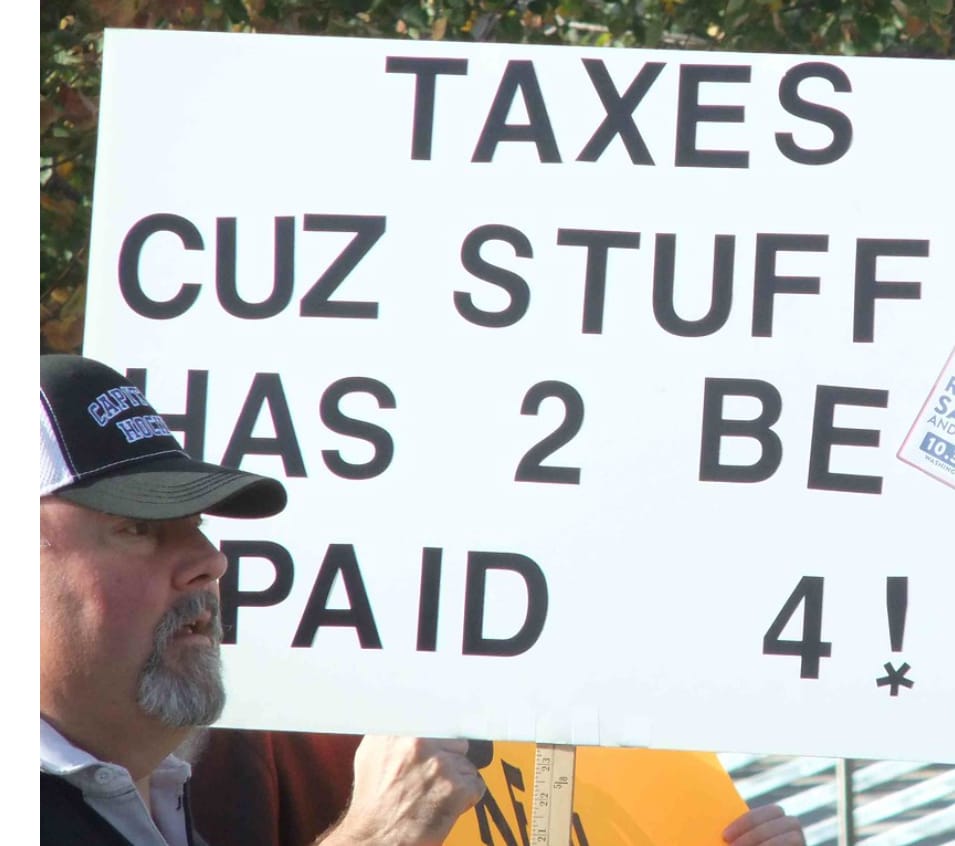
In 2024, Canada has witnessed a trend where a segment of the population is refusing to pay taxes. This phenomenon is not entirely new, as tax resistance has historical precedents and has appeared in various forms over the years. However, the specific reasons behind this refusal and the government's response are crucial to understanding the current situation.
Reasons Behind Tax Refusal
The refusal to pay taxes can stem from a variety of reasons, ranging from ideological beliefs to economic grievances. Some individuals may believe that the tax system is unfair or that their tax dollars are not being used effectively by the government. Others might subscribe to tax protester arguments, which are often based on misinterpretations of the law or outright misinformation.
For instance, some tax protesters erroneously claim that the Income Tax Act does not apply to them, or they distinguish between their "natural person" and "legal person" to avoid taxation. These arguments have been consistently rejected by Canadian courts, which affirm the legality and enforceability of tax laws.
Government Response
The Canadian government, through the Canada Revenue Agency (CRA), actively combats tax evasion and avoidance. The CRA reassesses the income tax returns of individuals involved in tax resistance schemes and, in some cases, prosecutes for tax evasion. The government also targets promoters of tax schemes, ensuring that they face legal consequences for misleading taxpayers.
In response to the trend of tax refusal, the government has reiterated its commitment to maintaining a fair and equitable tax system. It has also emphasized the importance of tax revenues in funding public services and infrastructure that benefit all Canadians.
Economic and Social Implications
The refusal to pay taxes can have significant economic and social implications. Tax revenues are crucial for funding government programs, including healthcare, education, and social services. A decrease in tax compliance could lead to budget shortfalls and reduced public services, affecting the most vulnerable populations.
Moreover, tax refusal can undermine the principle of collective responsibility that underpins the tax system. When individuals refuse to contribute their fair share, it places an undue burden on those who do comply with their tax obligations.
Conclusion
The trend of refusing to pay taxes in Canada in 2024 is a complex issue with deep legal, economic, and social ramifications. While the government continues to enforce tax laws and prosecute tax evasion, it is also important to address the underlying reasons why some individuals choose to resist taxation. Through public education and engagement, as well as a commitment to transparency and accountability in government spending, Canada can work towards a more compliant and informed taxpayer base.
Members Discussion