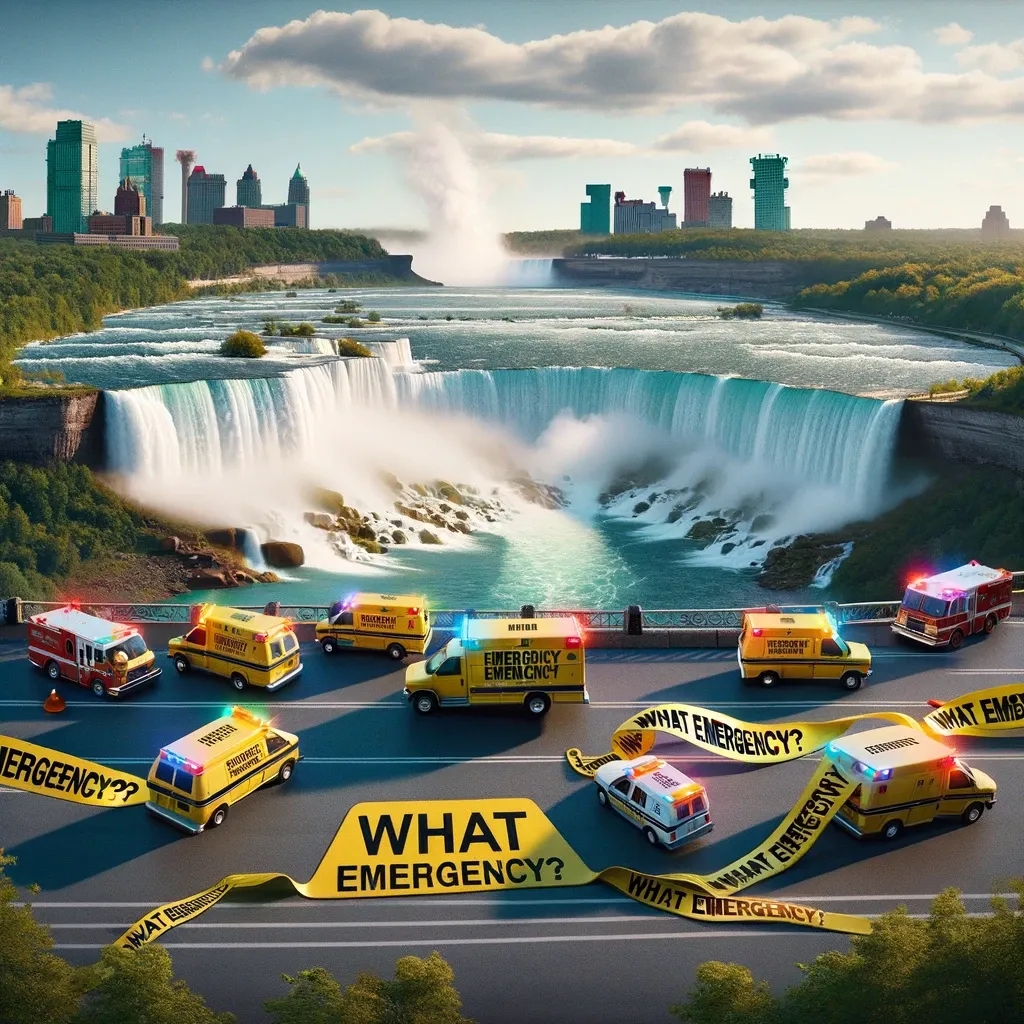
In the wake of the total solar eclipse on April 8, 2024, the Niagara Region's decision to declare a state of emergency has ignited a debate over the appropriateness of such measures and their impact on citizens' rights. Critics argue that the preemptive declaration, intended to manage the influx of visitors, may have unnecessarily infringed on freedoms under the guise of public safety.
The Niagara Region declared a state of emergency on March 28, 2024, citing concerns over the potential for massive crowds and the strain on local infrastructure and emergency services. While the intention was to ensure public safety and effective management of the event, the Canadian Constitution Foundation (CCF) has challenged the legality of this decision, arguing that it did not meet the strict legal definition of an "emergency" and warning against the broad use of emergency powers.
The declaration of a state of emergency grants local governments expanded powers, which can include restrictions on movement, appropriation of property, and other measures that limit individual freedoms. Critics, including the CCF, express concern that such powers were exercised in a situation that did not constitute a genuine emergency, setting a dangerous precedent for future use of emergency declarations to address non-emergency situations. This has sparked a broader conversation about the balance between ensuring public safety and protecting civil liberties.
The CCF's legal challenge and call for judicial review highlight the tension between emergency preparedness and the safeguarding of constitutional rights. Critics argue that the Niagara Region's actions could open the door to future abuses of emergency powers, potentially allowing governments to bypass normal legislative processes and infringe on rights under the pretext of various social issues.
The Niagara Region's state of emergency declaration in anticipation of the solar eclipse has raised important questions about the threshold for such declarations and the protection of citizens' rights during extraordinary events. While the emergency status was lifted shortly after the eclipse concluded without incident, the debate it sparked remains relevant. As communities continue to navigate the challenges of managing large-scale events, the need for a careful balance between public safety and the preservation of civil liberties is clear. Critics of the Niagara Region's decision argue for a more restrained approach to emergency declarations, emphasizing the importance of protecting individual freedoms even in the face of potential challenges.
Members Discussion