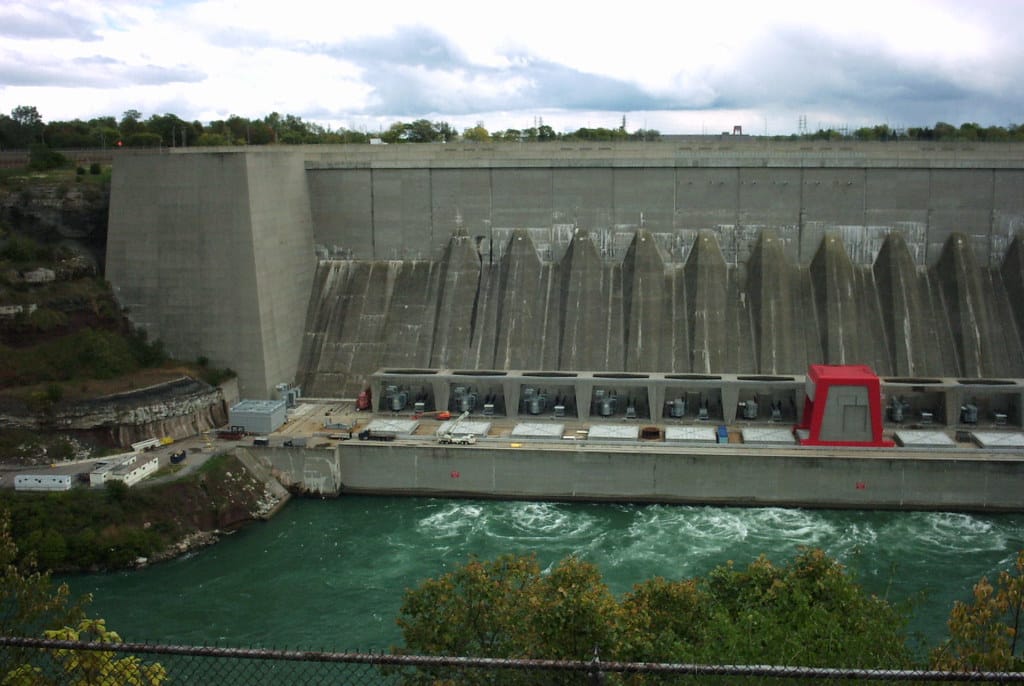
Niagara Falls, ON – As the Ontario government announces a $1 billion investment to refurbish the province's largest hydroelectric dams, including the Sir Adam Beck I and II generating stations in Niagara, residents express concerns over pressing needs in healthcare and employment that remain unaddressed during a challenging economic period.
Healthcare System Under Strain
A recent report by CUPE’s Ontario Council of Hospital Unions (OCHU) paints a grim picture of the healthcare landscape in Niagara. The region is grappling with a shortage of approximately 2,000 healthcare workers and a need for over 200 additional hospital beds within the next four years. The current rate of growth in staffing and capacity, which is less than one percent per year, falls short of meeting the demands of an aging population.
Ontario's healthcare system has been under scrutiny, with the province having 38 percent fewer inpatient staff in hospitals compared to the national average. The government's plan to increase capacity by 3,000 beds over the next decade is projected to result in a mere 0.79 percent increase. This comes against the backdrop of more than 145 emergency room closures since 2022 and intermittent closures of urgent care centers in Fort Erie and Port Colborne.
Infrastructure Investment in Energy
The government's infrastructure investment focuses on the long-term sustainability of energy production. The refurbishment project at the hydroelectric plants is expected to span over 15 years, aiming to secure the operational life of approximately 1,700 megawatts of hydroelectric power. This initiative is part of a broader strategy to prepare for a surge in electricity demand anticipated by 2050, which also includes potential nuclear power expansion and the construction of new small modular reactors.
Employment and Skills Mismatch
Niagara's first Poverty Reduction Strategy interim report on community engagement highlights a disconnect between the skills of the local workforce and the job market. This mismatch presents barriers to employment, suggesting a need for targeted initiatives to align workforce skills with job opportunities.
Residents' Concerns
While the refurbishment of hydroelectric plants is recognized as an important step for future energy security, Niagara Falls residents are voicing concerns that their immediate needs, particularly in healthcare and job creation, are being overlooked. The investment in the energy sector does not offer direct solutions to the healthcare worker shortage or the employment challenges that are more pressing during the economic downturn.
As the government moves forward with its infrastructure plans, the community calls for a balanced approach that also prioritizes investments in healthcare and employment programs. Such initiatives could provide more immediate support to the residents of Niagara Falls, who are currently facing the dual challenges of a strained healthcare system and a recession-hit job market.
Residents and local officials are urging the government to consider a more comprehensive strategy that addresses both the long-term infrastructure needs and the immediate socioeconomic challenges faced by the community.
Members Discussion